Define the line of approach
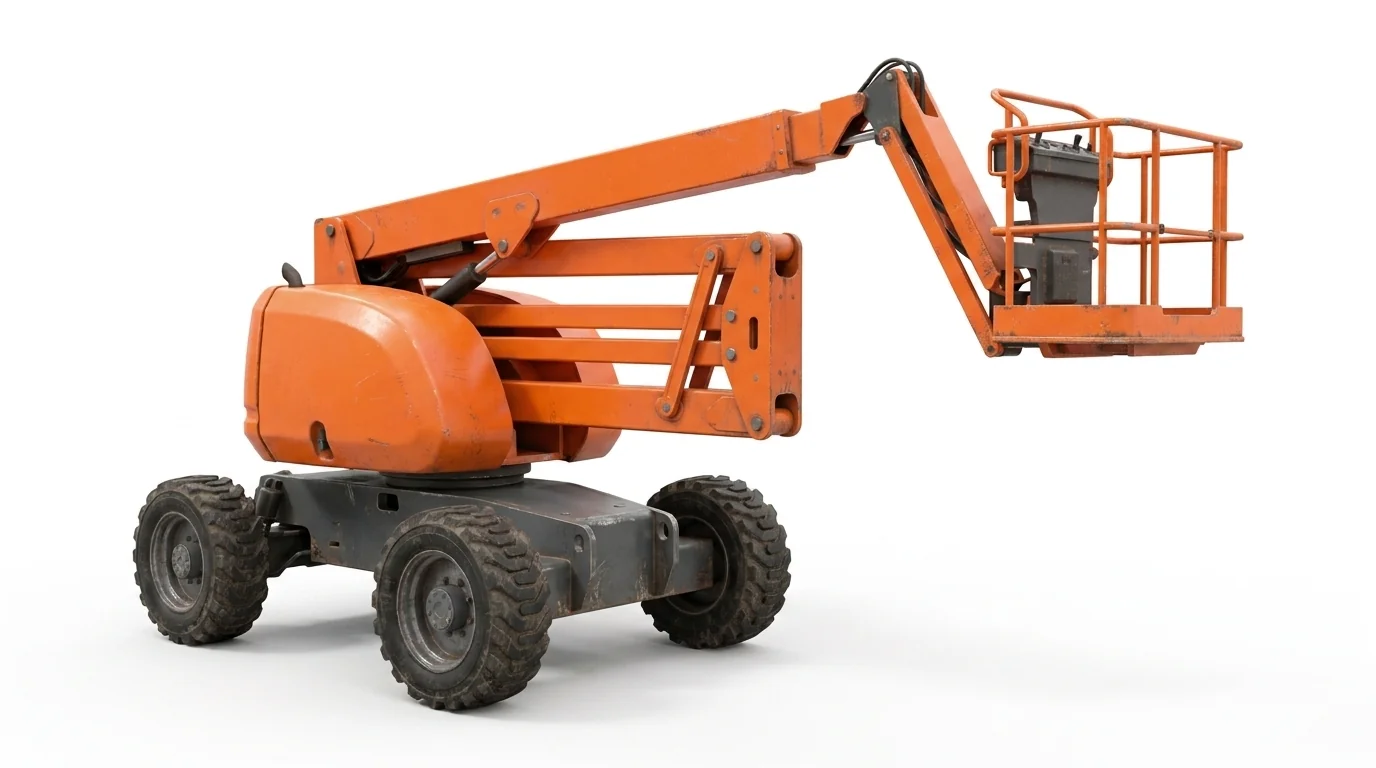
A straight boom extends in one plane. Plan around:
- Can the machine sit back from the building and still contact the work face?
- Is there room to swing and telescope without clipping parapets or trees?
- Will wind exposure at height limit the usable envelope on the day of work?
For lakeside corridors and open industrial sites in Madison, exposure can be higher than in sheltered courts. Actual site conditions and the selected unit’s instructions govern allowable work.
Terrain and season in Madison
Many exterior pads and yards have rolling or uneven grades shaped by local geology. Rough‑terrain packages, four‑wheel drive, and adequate ground clearance matter for access to the setup point. Winter adds frozen surfaces and temperature swings; straight booms built for cold weather maintain function and traction more reliably outdoors.
Specs that decide the model
- Platform height and maximum horizontal outreach at target elevation.
- Chassis width and tailswing relative to gates, lanes, and staging.
- Ground bearing and pad condition at the stopping point.
- Power type: diesel for open air; hybrid options where limited indoor transit is required.
When a different aerial makes more sense
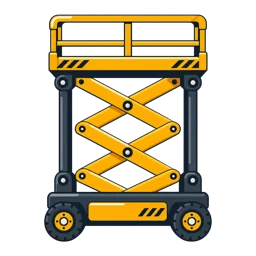
If ductwork, canopies, or process equipment block the line, a jointed boom is more efficient. For broad, low‑height work zones, a wide deck scissor reduces repositioning. Compare with:
- /articulating-boom-lift-rental/
- /electric-scissor-lift-rental/
- /rough-terrain-scissor-lift-rental/
- /boom-lift-rental/
Planning around nearby communities
Projects in surrounding business parks and distribution corridors often require long reach over parking setbacks and stormwater features. Confirm set‑back distance from curbs or landscaped berms to ensure the outreach chart covers the task without moving trucks or fencing.