Start with the placement, then size the machine
Ask where the load must land:
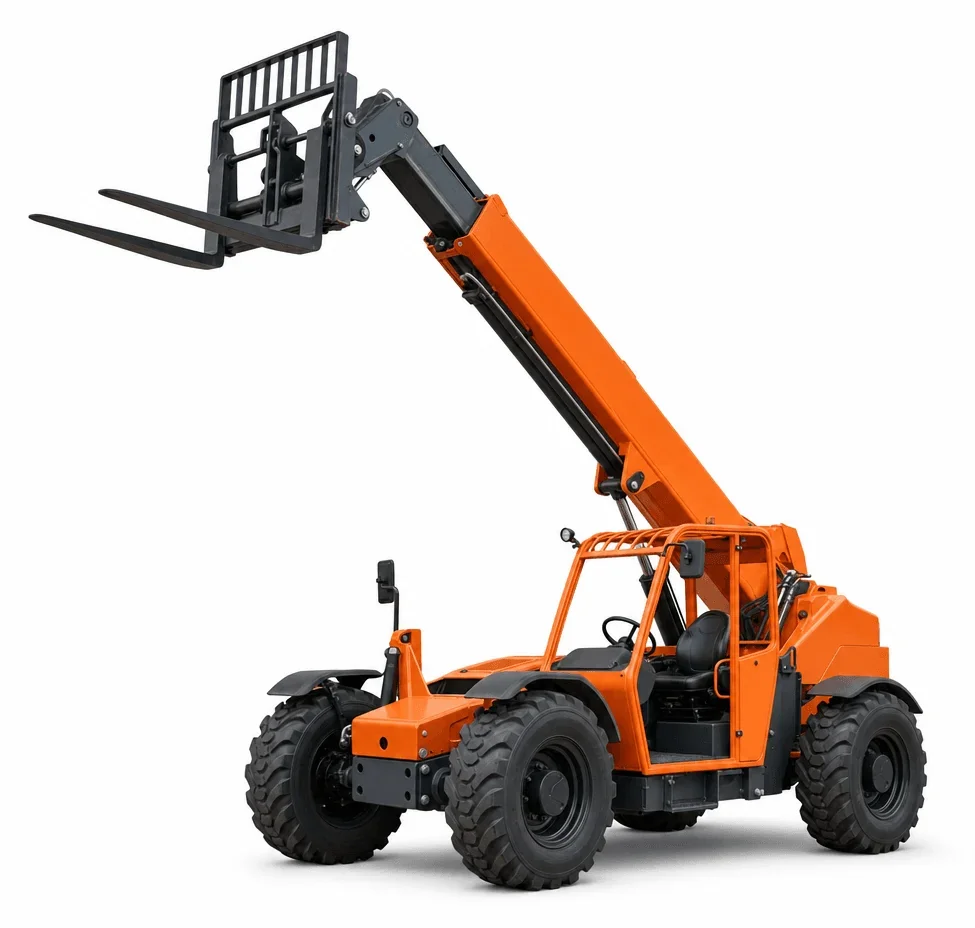
- Can the unit place over a form, barrier, or parapet, or does it need side shift/tilt to fine‑tune?
- What is the maximum pallet weight at full height and at forward reach?
- Is there a need to load trucks from one side due to fencing or traffic?
On urban infill and research‑adjacent projects, setbacks and protected corridors often force one‑sided access. That pushes capacity needs higher at reach.
Terrain, winters, and routing in Madison
Glacially shaped grades produce uneven approaches. Larger frames with rough‑terrain tires and ample ground clearance keep stability on churned soil. Winter transitions bring ice and freeze‑thaw ruts; models designed for cold starts and steady hydraulics perform more consistently.
If the route crosses finished slabs inside manufacturing or lab support areas, check door widths, floor ratings, and emission limits. Smaller telehandlers or units with clean exhaust profiles may be required for short interior transits.
Numbers that narrow the choice
- Maximum lift height and forward reach with the intended load weight.
- Turning radius versus laydown space and lane width.
- Carriage type and fork length based on typical pallet size.
- Overall width and height for gates, doors, and temp fencing.
When another category is better
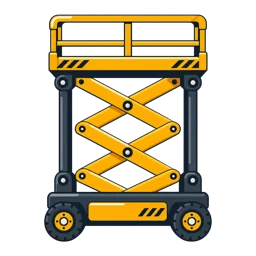
For repeated vertical personnel work, an aerial platform may be faster than a forks‑only approach. For heavy indoor pallet moves on smooth floors, a forklift is simpler. See:
- /forklift-rental/
- /aerial-lift-rental/
- /storage-containers-rental/
- /temporary-fencing-barricades-rental/
Staging and jobsite logistics
Material drops near life‑science facilities often restrict idling and staging times. Planning the laydown area, traffic flow, and spotter sightlines reduces rehandles when access windows are tight.