Start with the reach path, not just height
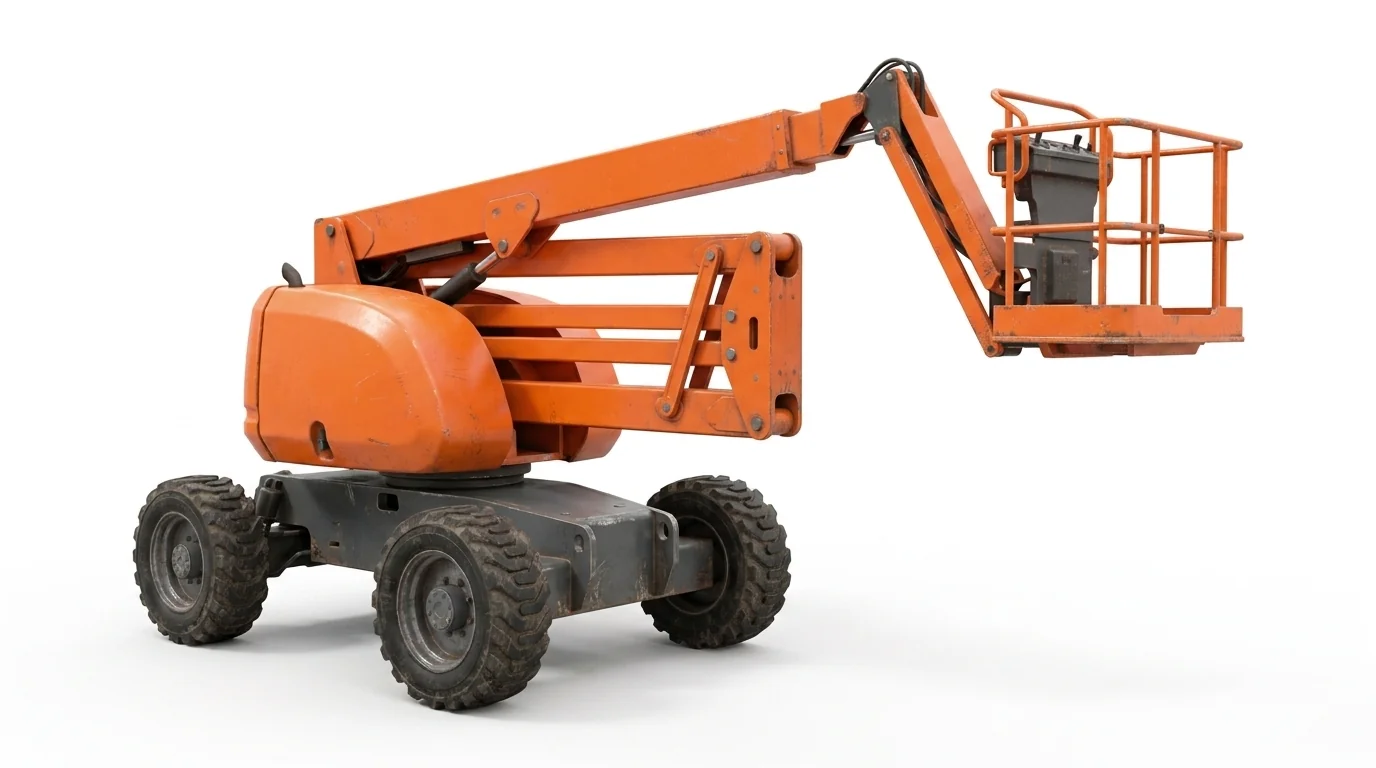
Articulating booms hinge at the boom sections to move over and around obstructions. The key questions are:
- Can the machine sit below the task and swing the knuckle over the obstacle?
- Is there ceiling or soffit clearance to fold the boom inside and still reach the work face?
- Does the task require horizontal outreach more than vertical height?
In local research labs and controlled environments, ductwork and process piping create overhead clutter. The jointed boom often reaches the face without repositioning a scissor platform.
Madison conditions that change the pick
Outdoor work around hilly lots and drumlin slopes often means inconsistent ground. Articulating booms with rough‑terrain ratings, oscillating axles, and optional outriggers better accommodate those grades. Winter adds ice and packed snow; machines intended for cold-weather operation, with appropriate traction packages, are more practical for exterior tasks.
Indoor maintenance in high‑tech spaces trends the opposite direction: narrow aisles, sensitive flooring, and air-quality limits. Electric or hybrid articulating booms with non‑marking tires and compact chassis reduce emissions and surface impact while still threading between equipment rows.
Measurements that narrow the model
- Platform height and working envelope: note vertical height and the maximum horizontal outreach at the needed elevation.
- Up-and-over clearance: measure the top of the obstacle and the back side where work occurs.
- Width and stowed length: confirm the tightest doorway, corridor, or gate.
- Floor rating and surface: slab load capacity for indoor labs versus uneven aggregate outdoors.
- Power: electric for indoor environments; diesel or hybrid for exterior and mixed-use sites.
When a different lift is simpler
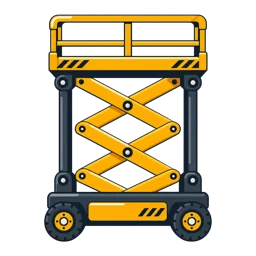
If the job is straight up with minimal obstacles, a scissor may be faster. For long, unobstructed façade or stack work, a straight boom often reaches farther. Compare with:
- /electric-scissor-lift-rental/
- /rough-terrain-scissor-lift-rental/
- /telescopic-boom-lift-rental/
- /aerial-lift-rental/
Planning for sensitive facilities
Clean-adjacent areas and biotech suites influence the choice more than the height number. Low‑emission power, clean tires, and compact tailswing reduce contamination risk and near‑miss contact with instruments or utilities. Confirm the route from loading point to work zone before committing to an envelope chart.