Size, route, and turning geometry
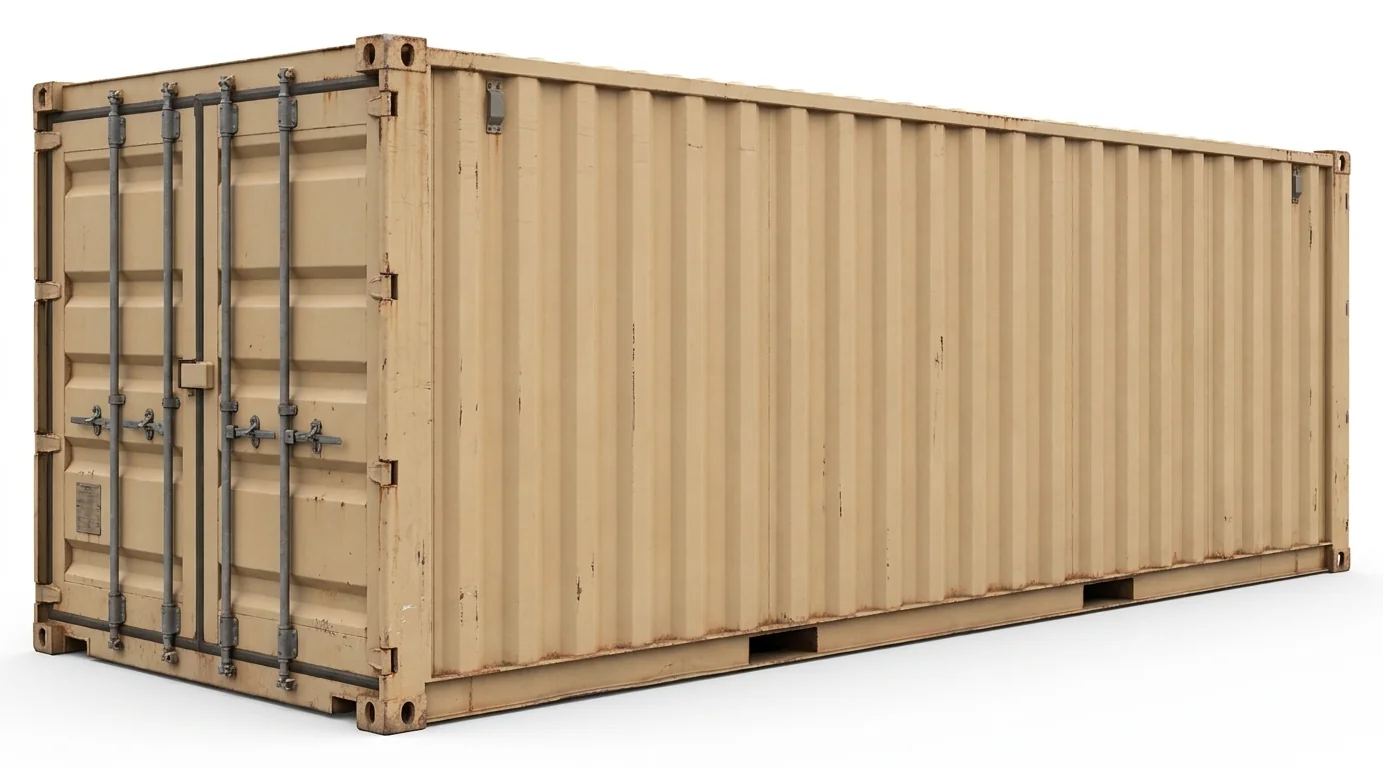
Confirm the longest container length that can clear gates, alleys, and drive lanes. Note overhead obstructions, winter snow narrowing, and whether the delivery truck can stay level during offload on sloped approaches.
Surface and level requirements
Drumlin-influenced slopes and soft till can twist container frames if not set on a stable, level base. Identify a pad that stays firm through thaw and rain. If the unit must sit near building entries serving labs or clean-adjacent spaces, plan for drip control and separation from pedestrian routes.
Contents and environment
Moisture swings in the regional climate drive condensation risk. Sensitive materials and electronics stored for campus renovations or lab support may need insulation, passive ventilation, or desiccant solutions specified by site procedures. For heavy items, floor point loads matter as much as total weight; map pallet jack paths and door threshold height.
Access pattern and security
Decide how often the doors open and whether night access is required. If combined with temporary fencing, leave enough apron space for safe door swing on a slope. Lighting and power for the area can be planned with /generators-light-towers-rental/.
Coordination with aerial work
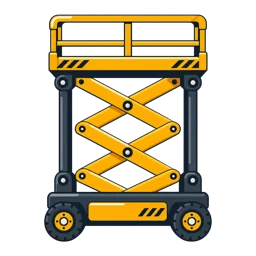
If the container supports elevated installs—fixtures, ducting, or cable trays—ensure the laydown location aligns with lift routing: - Indoors: /electric-scissor-lift-rental/ or /vertical-mast-lift-rental/ - Outdoors on uneven ground: /rough-terrain-scissor-lift-rental/ or /telescopic-boom-lift-rental/
Measurements that narrow the container choice
- Maximum container length and height along the route
- Pad size, slope, and bearing capacity
- Interior clearance for the tallest item
- Door orientation relative to site traffic
- Moisture sensitivity of stored materials