Surface first: cushion vs. pneumatic
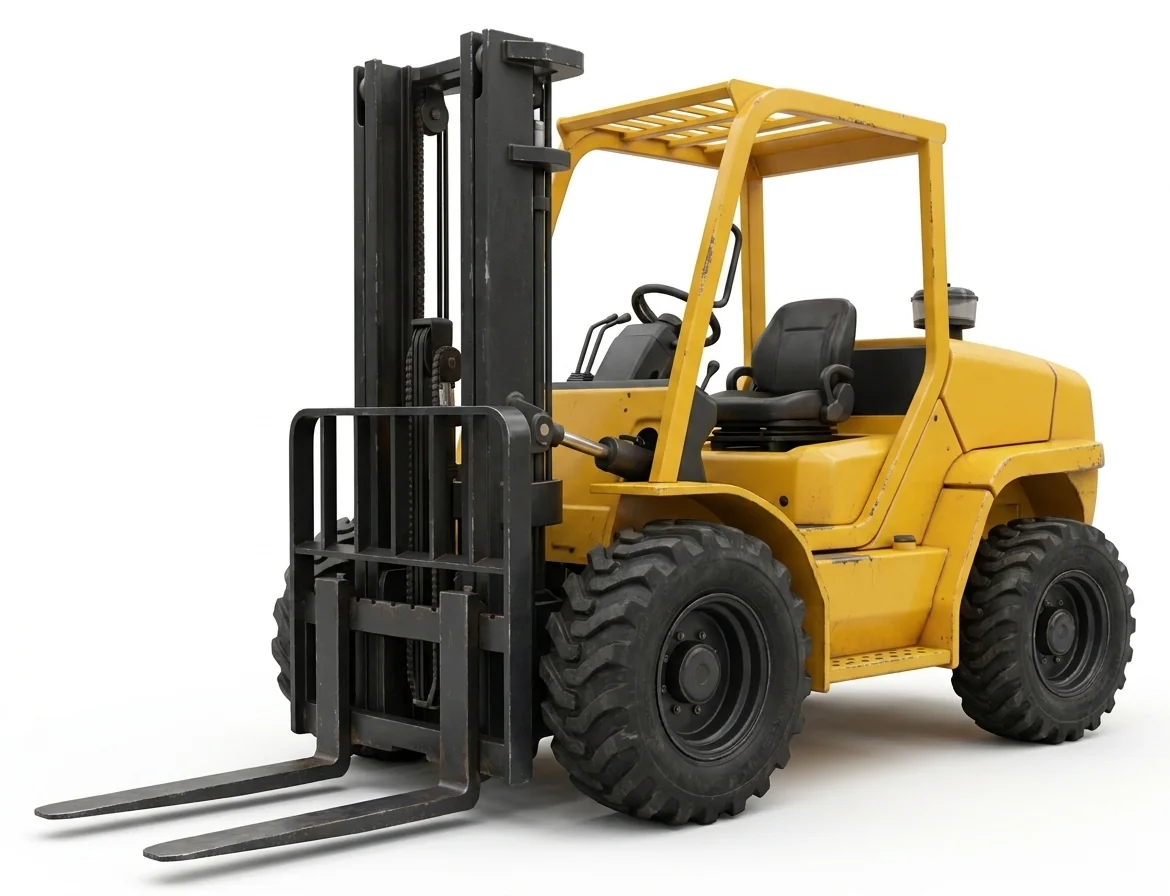
- Smooth indoor slabs and tight aisles favor cushion‑tire forklifts with small turning circles and low deck heights.
- Outdoor yards, uneven approaches, and mixed surfaces push toward pneumatic tires and higher ground clearance.
Local distribution buildings near research and manufacturing sites often mix both; route mapping from dock to storage bay prevents surprises at door thresholds and ramps.
Aisles, doors, and mast height
Measure the narrowest aisle, turn‑in to racking, and the lowest overhead point. Then match:
- Overall lowered mast height to door and mezzanine clearances.
- Free lift needs where low ceilings meet high racking.
- Rated capacity at the intended lift height, not just at the forks on the ground.
Seasonal considerations in Madison
Winter brings condensation at thresholds and slick outdoor slabs. Indoor‑optimized electrics reduce emissions for enclosed spaces, while outdoor tasks may require engines and weather‑tolerant components. Actual conditions and company procedures govern safe operation.
When another machine is a better tool
- Reaching over obstacles or placing to upper floors: /telehandler-rental/
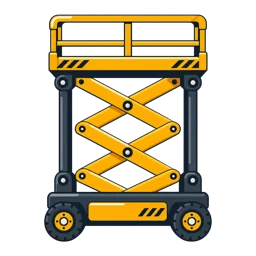
- Frequent personnel access at height: /electric-scissor-lift-rental/ or /aerial-lift-rental/
Batteries, charging, and ventilation
In life‑science and tech facilities, air handling and battery charging locations can be restricted. Plan charging near compliant ventilation and confirm that travel routes avoid sensitive areas during peak occupancy.