Start with placement and load distance
Power quality at the receptacle depends on how far the run is from the generator. Long cable runs on large research floors or across spread-out industrial yards increase voltage drop and may require a larger unit than the nameplate load suggests. Identify: - The total running and starting load in watts/amps - Longest cord distance to the furthest device - Whether equipment is sensitive to power fluctuations
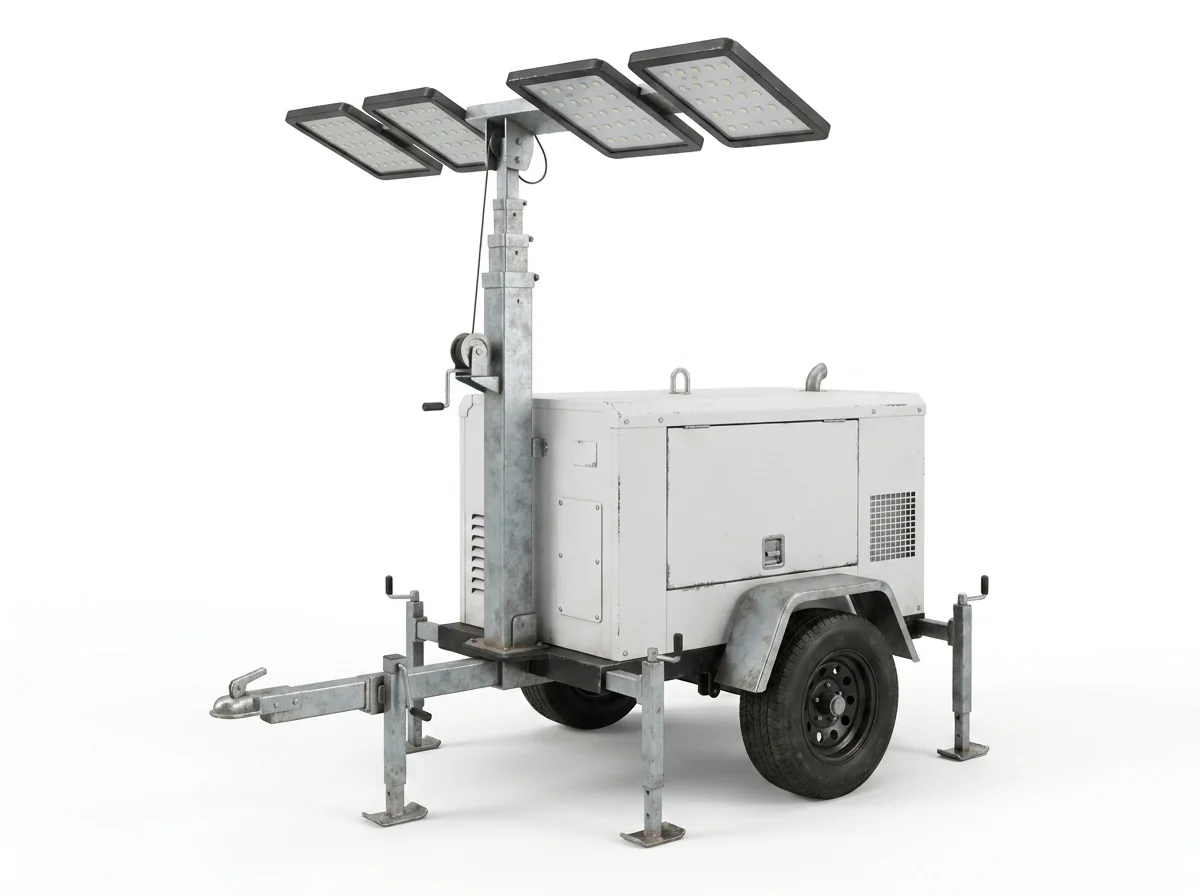
For lighting, define the mounting point and spill area first. In Madison’s mixed-use sites, towers often sit below grade relative to the work, so light angle and mast height matter more than raw lumen claims.
Indoor labs vs. outdoor yards
Indoor, clean-adjacent spaces in local tech and life sciences facilities tighten exhaust and noise tolerances. That pushes planning toward electric distribution from an outdoor generator or toward smaller, quieter units on isolated balconies or courtyards. Outdoors, drumlin-influenced slopes and soft till call for wider stance light towers or outriggers, and tires that sit stably on irregular gravel. Winter ice and wind exposure increase the need to plan site-stability planning points and access for refueling.
Runtime, refueling, and temperature
Cold snaps in the regional climate thicken fluids and lengthen warm-up times. Build margin into runtime estimates and locate fuel access where a service path stays clear of snow berms or mud. For extended night work, confirm whether the tower can remain on a safe pad for the full shift without repositioning.
Noise, emissions, and site rules
Research-heavy facilities and mixed residential edges around job sites often limit sound and exhaust. Note any rules that restrict operating hours or require external grounding. Sensitive electronics inside labs may need cleaner power from an inverter-type generator placed off the work floor.
Access route and surface conditions
Measure the narrowest gate, doorway, or lane the unit must pass through. On sloped lots, identify a level pad or plan for cribbing consistent with site procedures. Frozen ground can seem stable but may thaw to ruts; position accordingly.
Related lift planning
If the same task needs elevated access for fixture aiming or cabling, compare equipment by work height and terrain: - Indoor access: /electric-scissor-lift-rental/ or /vertical-mast-lift-rental/ - Uneven ground: /rough-terrain-scissor-lift-rental/ or /boom-lift-rental/
Summary measurements to have on hand
- Running/starting load and power sensitivity
- Longest cord run and cable gauge plan
- Mast height, light coverage area, and spill cutoffs
- Pad size, slope, and soil condition
- Expected temperature range and runtime window